

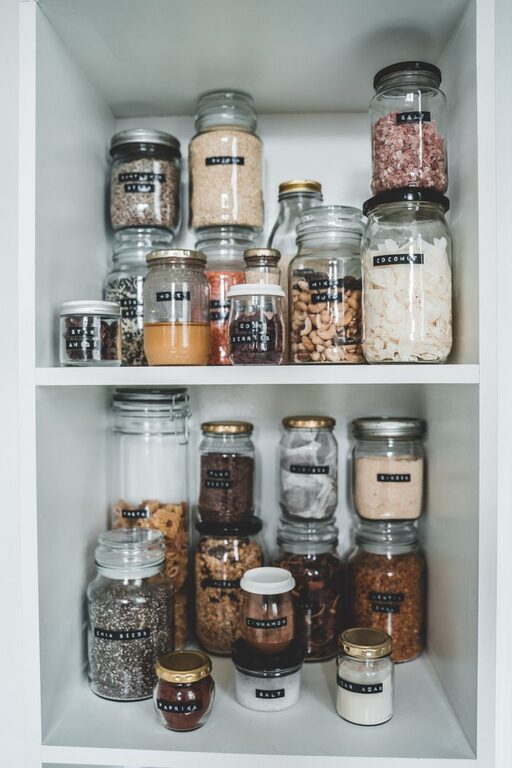
A tidy fridge and pantry can make everyday cooking easier, reduce food waste and help you see what you already have. The key is not to create a perfect display that takes hours to maintain. Instead, focus on simple systems that make items easy to find, use and put away.
With a regular reset and a few practical storage habits, you can keep your kitchen organised without spending much time on it.
Start with a complete reset
Before organising your fridge or pantry, remove everything from one area at a time. Working in sections makes the task feel more manageable and gives you room to clean properly.
For each item, ask:
– Is it still fresh or usable?
– Is the package open?
– Do I know what it is?
– Is it stored in the right place?
– Will I realistically use it?
Set aside anything that is empty, damaged, stale or no longer needed. Check dates as you go, but also use your judgement. Some products may remain useful after a best-before date, while others should be discarded once their quality has clearly changed.
Wipe shelves, drawers and surfaces with warm soapy water. Dry everything thoroughly before returning food to the space.
Create simple zones
The easiest way to keep a fridge and pantry tidy is to give each type of food a regular home. When items have designated zones, putting them away becomes quicker and clutter is less likely to build up.
Useful pantry zones may include:
– Breakfast foods
– Baking ingredients
– Pasta, rice and grains
– Tinned and jarred foods
– Snacks
– Drinks
– Cooking oils, sauces and condiments
– Back-up or bulk supplies
In the fridge, you might create areas for:
– Ready-to-eat foods
– Dairy products
– Fresh produce
– Drinks
– Condiments
– Leftovers
– Ingredients for upcoming meals
Your zones do not need to be complicated. Even grouping similar items on the same shelf can make a noticeable difference.
Make the fridge easy to scan
A crowded fridge often becomes messy because food gets pushed to the back. Use clear containers or shallow baskets to group similar items together. For example, place yoghurt and cheese in one bin, sauces in another and lunch ingredients in a third.
Avoid filling every shelf to the edge. Leave some open space so air can move around the fridge and so you can see what is available.
A few helpful habits include:
– Keep taller containers towards the back.
– Store frequently used items at eye level.
– Place small items in a basket so they do not get lost.
– Keep leftovers together in one visible area.
– Use clear containers whenever possible.
– Label leftovers with the date they were stored.
– Place items that need to be used soon at the front.
A “use first” section can be particularly helpful. Put opened packages, ripe produce and leftovers in one clearly marked area. Check this section before opening something new or planning your next meal.
Organise the pantry by visibility
Pantry shelves can hold a large number of items, but deep or crowded shelves make food easy to forget. Store everyday products where you can see them, and use the highest or least convenient shelves for occasional items.
Turn labels towards the front and group similar packages together. If you keep several of the same product, line them up so you can quickly see how many remain.
Baskets and bins are useful for loose packages, small tins and individually wrapped snacks. Choose containers that are easy to lift and clean. Avoid using too many different sizes, as a mixture of containers can make shelves harder to arrange.
For deep shelves, consider placing items on small risers or sliding trays. This can help you see products at the back without removing everything in front.
Use containers thoughtfully
Storage containers can make a fridge or pantry look neat, but they work best when used for a clear purpose. Decanting every item is not necessary, and it may make product information harder to find.
Use containers for foods that are:
– Stored in open bags
– Easily spilled
– Sold in awkward packaging
– Used frequently
– Better grouped together
Choose airtight containers for dry goods that need protection from moisture. Clear containers are convenient because they show how much is left. If you use opaque containers, label them clearly with the contents and, when helpful, the opening date.
Keep a few spare labels and a marker nearby. This small step makes it easier to maintain the system.
Follow the first in, first out rule
When you buy new groceries, place them behind older items of the same type. This encourages you to use older products first and helps prevent forgotten food from gathering at the back.
This method works well for:
– Cereal
– Pasta and rice
– Tinned foods
– Sauces
– Snacks
– Dairy products
– Packaged produce
When unpacking groceries, take a moment to check the shelf rather than simply placing new items wherever there is space. The extra minute can save time later.
Manage produce carefully
Fresh produce often creates the most clutter because it comes in different sizes and may need different storage conditions. Remove unnecessary packaging where appropriate, but avoid washing produce until you are ready to use it if extra moisture could cause it to spoil more quickly.
Use drawers for loose fruit and vegetables, and avoid overfilling them. Keep delicate items where they will not be crushed. If certain foods are regularly forgotten, place them in a visible basket or on a shelf at eye level.
A small produce check once or twice a week can prevent one soft item from affecting the rest. Use ripe ingredients in smoothies, soups, sauces or other planned meals before buying more.
Create a quick weekly routine
A tidy fridge and pantry are easier to maintain with short, regular checks rather than occasional deep cleans. Choose a day that fits your routine, such as before grocery shopping.
A weekly reset can include:
- Remove empty packages and rubbish.
- Move older items to the front.
- Check leftovers and produce.
- Wipe up spills and crumbs.
- Add items that need to be used soon to your meal plan.
- Write down products that need replacing.
- Return misplaced items to their zones.
This routine may take only 10 to 15 minutes once your storage system is established.
Avoid overbuying
Even the best organisation system will struggle if the fridge and pantry are consistently overfilled. Before shopping, take a quick look at what you have. Make a list based on existing ingredients and planned meals.
Try to avoid buying duplicates unless you use them regularly. If you shop in bulk, make sure you have enough space and a realistic plan for using the items before they lose quality.
A tidy kitchen is not about having fewer foods or a perfectly styled space. It is about making the contents visible, accessible and easy to manage. With clear zones, sensible containers and a short weekly reset, your fridge and pantry can stay organised with much less effort.