

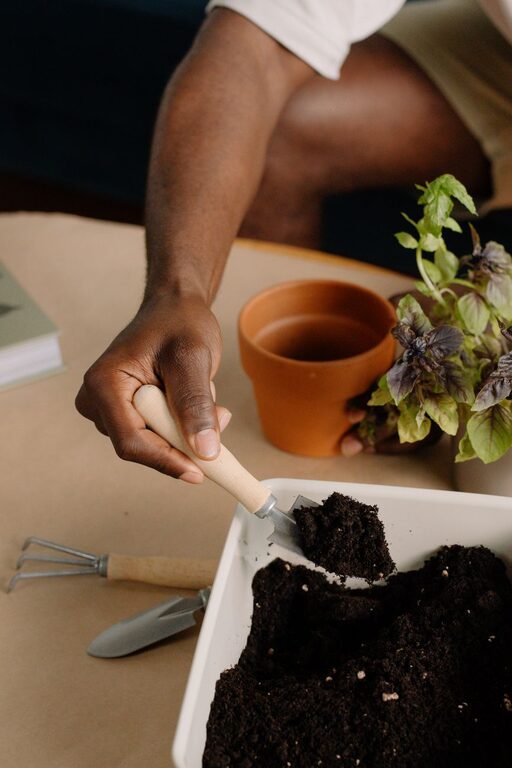
Growing herbs indoors is a simple way to add fresh flavour to meals while bringing a little greenery into your home. You do not need a large space, expensive equipment, or advanced gardening skills. A sunny windowsill, a few containers, and the right plants are enough to get started.
An indoor herb garden can work well in a kitchen, apartment, home office, or any room with suitable light. With a little regular care, you can enjoy fresh herbs throughout the year.
Choose the Right Location
The first step is finding a good place for your herb garden. Most herbs need plenty of light, so a bright south- or west-facing window is often a good choice. An east-facing window can also work, especially for herbs that prefer gentler morning light.
Look for a location that:
– Receives at least six hours of sunlight each day
– Is away from cold drafts and heating vents
– Has a stable temperature
– Is easy to reach for watering and harvesting
– Has a surface that can handle occasional spills
A kitchen windowsill may be convenient, but avoid placing herbs directly beside a hot stove. Heat and steam can stress the plants, while cooking splashes may damage the leaves.
If your home does not receive enough natural light, consider using a small LED grow light. Choose one designed for indoor plants and place it according to the manufacturer’s instructions.
Select Beginner-Friendly Herbs
Some herbs are easier to grow indoors than others. For the best chance of success, begin with a small selection of reliable plants.
Good Herbs for Beginners
– Basil: Grows quickly and enjoys bright light and warm conditions
– Chives: Compact, hardy, and easy to trim
– Parsley: Tolerates indoor conditions and can be harvested regularly
– Mint: Vigorous and adaptable, but best grown in its own pot
– Thyme: Likes bright light and drier soil between waterings
– Oregano: Compact and useful for many savoury dishes
– Cilantro: Grows quickly but may need to be replanted more often
Start with two or three herbs rather than trying to grow everything at once. Basil, chives, and parsley make a practical first collection because they have different flavours and uses.
Decide Between Seeds and Starter Plants
You can grow herbs from seeds or buy young plants from a garden centre or grocery store.
Seeds are usually less expensive and offer more variety. However, they take longer to produce a harvest and require careful watering during germination. Starter plants provide quicker results and can be easier for beginners.
When buying starter plants, look for specimens with:
– Bright green leaves
– Strong stems
– Compact, healthy growth
– No yellowing or wilting
– No visible insects or webbing
If you buy herbs from a grocery store, check whether the plant is suitable for continued growth. Some supermarket herbs are grown for short-term use and may be packed tightly into one container. You may need to divide them carefully and replant them in separate pots.
Choose Containers with Drainage
Good containers are essential for healthy indoor herbs. Each pot should have drainage holes at the bottom so excess water can escape. Without drainage, water may collect around the roots and cause problems.
Choose containers that are:
– Slightly larger than the plant’s root ball
– At least 10 to 15 centimetres deep for most herbs
– Made from plastic, ceramic, terracotta, or another suitable material
– Easy to move for cleaning or rearranging
Place a saucer or tray under each container to catch water. Empty the saucer after watering so the pot does not sit in standing water.
You can group several herbs in a long planter, but make sure the plants have similar needs. Mint, for example, spreads quickly and is usually better in its own container. Pairing herbs with different watering requirements can make care more difficult.
Use Suitable Potting Mix
Regular garden soil is often too dense for containers. Instead, use a light indoor potting mix that allows air and water to move through the roots.
A quality potting mix should:
– Drain well
– Hold enough moisture for the roots
– Be light and loose
– Be labelled for indoor plants or containers
Fill the container while leaving a little space below the rim. This helps prevent water and soil from spilling over the sides. Avoid pressing the mix down too firmly, as compacted soil can restrict root growth.
Water Carefully
Overwatering is one of the most common problems with indoor herbs. Many people water on a fixed schedule, but plants may need different amounts depending on the season, container size, light, and room temperature.
Before watering, check the surface of the soil with your finger. If the top two or three centimetres feel dry, the plant may need water. If the soil is still moist, wait and check again later.
When watering:
- Pour water slowly over the soil.
- Continue until a small amount drains from the bottom.
- Allow the pot to drain fully.
- Empty any water collected in the saucer.
Try to avoid wetting the leaves regularly, especially in a cool room. Water sitting on leaves can encourage problems and may leave marks on some plants.
Provide Enough Light
Light affects the strength, colour, and flavour of your herbs. Plants that do not receive enough light may become tall, thin, and pale as they stretch towards a window.
Rotate your pots every few days so all sides of the plant receive light. If stems still appear weak or the leaves remain pale, add a grow light. A timer can make it easier to provide a consistent daily light period.
Keep grow lights close enough to be useful, but not so close that they heat or scorch the leaves. Follow the instructions supplied with the light and monitor the plants during the first week.
Feed Plants Occasionally
Fresh potting mix usually contains enough nutrients to support new herbs for a while. After several weeks or months, indoor plants may benefit from a diluted, balanced liquid fertilizer.
Follow the product instructions carefully and avoid using more than recommended. Over-fertilizing can damage roots and cause excessive leafy growth with weaker flavour.
During winter, many herbs grow more slowly because of lower light levels. They may need less water and less fertilizer than they do during brighter months.
Harvest for Continued Growth
Regular harvesting encourages many herbs to become fuller and produce more leaves. Use clean scissors or pinch leaves with your fingers, depending on the plant.
For basil and mint, cut just above a pair of leaves. This encourages branching and helps prevent the plant from becoming tall and sparse. Chives can be cut close to the base, while parsley stems should be harvested from the outside of the plant.
Try not to remove more than one-third of a plant at one time. Give it time to recover between larger harvests.
Harvest herbs in the morning, after any overnight moisture has dried. Use them fresh, or store them briefly in the refrigerator according to the herb’s needs.
Watch for Common Problems
Indoor herbs are generally easy to manage, but a few issues can occur.
– Yellow leaves: May indicate too much water, poor drainage, or insufficient light
– Wilting: Can result from dry soil, root problems, or excessive heat
– Long, thin stems: Usually a sign that the plant needs more light
– Dry leaf edges: May be caused by underwatering or dry indoor air
– Small insects: Check the undersides of leaves and remove pests promptly
If a plant develops a problem, move it away from other herbs while you investigate. Remove damaged leaves, adjust the light or watering routine, and check whether the container drains properly.
Keep Your Garden Simple
A small herb garden should make everyday cooking easier, not add unnecessary work. Begin with a few herbs you use often, label the containers, and create a simple routine for checking soil moisture and plant growth.
With suitable light, proper drainage, and regular harvesting, an indoor herb garden can provide fresh ingredients in every season. As you gain confidence, you can try new varieties, experiment with different containers, or expand your collection to another bright area of your home.