

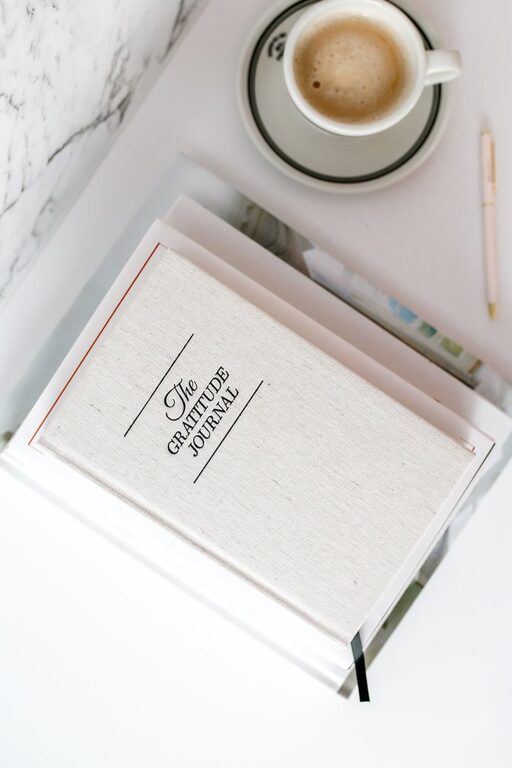
What Is a Gratitude Journal?
A gratitude journal is a notebook or digital record where you regularly write about people, experiences, opportunities, or simple moments you appreciate. It can be as straightforward as listing three good things from your day or as thoughtful as describing why a particular person or experience matters to you.
The goal is not to pretend that every day is perfect. Instead, gratitude journaling creates a space to notice what is going well, what brings meaning to your life, and what you might otherwise overlook. With regular practice, it can become a calming way to pause and reflect.
You do not need special writing skills, a beautiful notebook, or a large amount of free time. The most useful journal is one that fits naturally into your life.
Choose a Journaling Style
Before you begin, decide what type of journal feels easiest to maintain. There is no single correct format.
Paper journal
A paper notebook offers a break from screens and gives you space to write freely. Choose a notebook that feels inviting, but do not worry about finding the perfect one. A simple exercise book can work just as well as a specially designed journal.
Digital journal
A notes app, document, or journaling app can be convenient if you often carry your phone or computer. Digital entries are easy to search, edit, and organize. You might also use voice notes if writing is not practical.
Guided journal
Some journals include daily prompts, questions, or space for short answers. A guided format can be useful when you are unsure what to write or prefer a clear structure.
Creative journal
If you enjoy drawing, photography, or design, include sketches, pictures, ticket stubs, or short captions. Gratitude does not have to be expressed only through traditional paragraphs.
Decide When and Where to Write
A consistent routine makes journaling easier. Consider linking it to an activity you already do, such as having your morning coffee, eating lunch, or getting ready for bed.
Choose a time when you are unlikely to be rushed. Many people prefer:
– Morning, to begin the day with a positive focus
– Evening, to reflect on the day before going to sleep
– A quiet weekend period, for longer entries
– Short breaks during the day, when they need to reset their attention
You may also want to choose a regular location. A comfortable chair, a desk, or a quiet corner can signal that it is time to slow down. However, do not let the lack of a perfect setting prevent you from starting. A few lines at the kitchen table can be enough.
Start with a Small Commitment
A common mistake is setting a goal that is too ambitious. You do not need to write a full page every day. Start with a commitment that feels manageable, such as:
– Writing three items each evening
– Recording one meaningful moment each morning
– Journaling for five minutes, three times a week
– Writing one detailed entry every Sunday
Small habits are easier to repeat. Once journaling becomes familiar, you can add more time or detail if you wish. Consistency matters more than length.
If you miss a day, simply continue the next time you remember. Avoid turning a missed entry into a reason to stop altogether.
Use Simple Prompts
When your mind feels blank, a prompt can help you get started. Try answering one of these questions:
– What made me smile today?
– Who helped me recently?
– What is one ordinary thing I often take for granted?
– What part of my day felt peaceful?
– What challenge taught me something useful?
– What is a place I enjoy spending time in?
– What is something my body allowed me to do today?
– What recent conversation stayed with me?
– What skill or opportunity am I glad to have?
– What small comfort made today better?
You can also write about familiar experiences in greater detail. Instead of recording “I am grateful for my friend,” explain what your friend did, how it affected you, and why the relationship is important.
Specific details often make an entry feel more meaningful. For example, “I appreciated the warm sunlight on the bus ride home and the quiet time to listen to music” gives you more to remember than “Today was good.”
Write Honestly and Specifically
Gratitude journaling should feel genuine, not forced. You do not have to describe your day as wonderful if it was difficult. You might write about one small thing that offered comfort, such as a helpful message, a satisfying meal, or a task you managed to complete.
It is also possible to feel grateful and frustrated at the same time. These feelings can exist together. An honest entry might say, “Today was tiring, but I appreciated having a quiet walk after work.” This approach leaves room for the full range of daily experiences.
Try to include details such as:
– What happened
– Who was involved
– How you felt
– Why the moment mattered
– Whether you would like to remember or repeat it
Writing in this way turns a basic list into a meaningful reflection.
Vary What You Notice
If you write about the same few things every day, your journal may begin to feel repetitive. To keep your attention fresh, rotate through different areas of life.
You might reflect on:
– Relationships and acts of kindness
– Nature and seasonal changes
– Learning and personal progress
– Work, study, or creative activities
– Food, music, books, and other everyday pleasures
– Places that feel welcoming
– Personal qualities, such as patience or curiosity
– Memories that still bring you joy
– Future opportunities you are looking forward to
You can also dedicate certain days to different themes. For example, Mondays might focus on people, Wednesdays on progress, and Fridays on enjoyable moments.
Make Your Journal Personal
There are no strict rules about grammar, spelling, or presentation. Write in full sentences, use bullet points, add headings, or create a simple table. Some people like to include the date, weather, or a short description of their mood.
You could also add:
– A favourite quote
– A short monthly summary
– A list of things you want to remember
– Photos or drawings
– A rating for how connected or present you felt
– A section for kind words you received
The best format is one you will actually use. If decorations make journaling enjoyable, include them. If they make it feel like work, leave them out.
Review Your Entries
After a few weeks, read through some earlier entries. Reviewing your journal can help you notice patterns, recurring sources of joy, and moments you may have forgotten. You might discover that time outdoors, conversations with certain people, or creative activities appear often.
A monthly review can be especially useful. Ask yourself:
– What did I appreciate most this month?
– Which small moments stand out?
– Did my attention change over time?
– What would I like to make more room for?
– Is there anything I want to thank someone for?
This review does not need to be formal. A few sentences can be enough.
Keep the Habit Flexible
Your gratitude journal should support your life, not become another obligation. Some weeks may allow daily entries, while others may be busier. You can adjust your routine without abandoning it.
If you lose interest, try changing the format, using new prompts, or writing at a different time. You might also switch between paper and digital journaling. A flexible approach makes the habit easier to maintain over the long term.
The simple act of pausing to notice what matters can make ordinary moments more memorable. Start with one notebook, one prompt, and a few minutes. Over time, those small entries can create a valuable record of the people, experiences, and details that add meaning to your everyday life.