

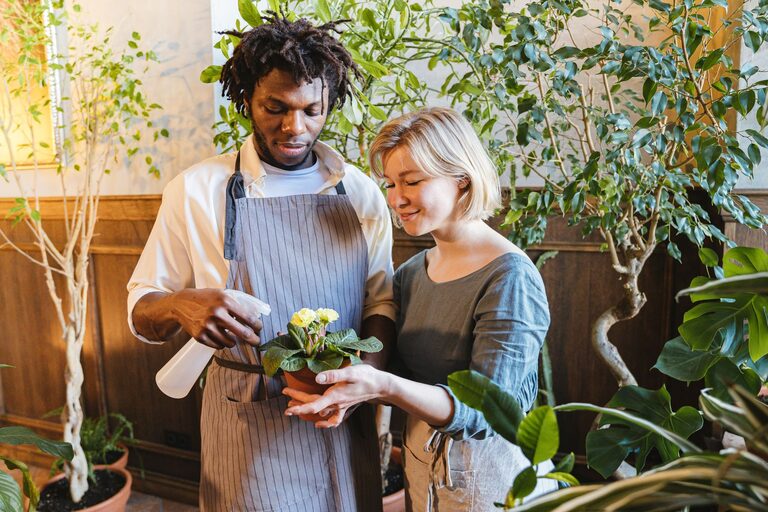
Houseplants can brighten a room, improve its atmosphere, and bring a little nature indoors. While every plant has its own needs, most healthy houseplants depend on the same basics: suitable light, careful watering, good drainage, clean leaves, and regular attention.
You do not need to be an expert gardener to care for indoor plants. By observing your plants and making small adjustments, you can help them grow stronger and avoid many common problems.
Choose the Right Plant for Your Space
Before bringing home a plant, consider the conditions in the room where it will live. Think about the amount of natural light, the temperature, the available space, and how often you can provide care.
A bright, sunny windowsill may suit plants such as succulents, cacti, and some herbs. Rooms with lower light may be better for plants such as snake plants, pothos, or peace lilies. However, “low light” does not mean no light. Every houseplant needs some light to make food and grow.
It is also helpful to check the plant’s mature size. A small plant may eventually need more room than you expect. Choosing a plant that fits your home will make long-term care easier.
Provide the Right Amount of Light
Light is one of the most important factors in plant health. Place each plant according to its needs rather than grouping all your plants in one location.
- Bright, direct light: Suitable for plants that can handle several hours of sunlight, such as many cacti and succulents.
- Bright, indirect light: Often ideal for tropical houseplants. Use a sheer curtain if strong sunlight is scorching the leaves.
- Low to moderate light: Suitable for more adaptable plants, although growth may be slower.
Turn your pots a quarter turn every week or two so all sides receive light. If a plant becomes tall, thin, or leans strongly towards a window, it may need more light. Pale or scorched patches can mean it is receiving too much direct sun.
Water Carefully
Overwatering is one of the most common causes of houseplant problems. Many plants suffer because their roots remain wet for too long, which can lead to root damage. At the same time, allowing a plant to dry out completely can cause stress.
Check the soil before watering. Press a finger into the top few centimetres of soil. If it feels dry, the plant may need water. If it still feels moist, wait a little longer. The right timing depends on the plant, pot size, soil type, season, and conditions in your home.
When you water, do so slowly and thoroughly until water begins to drain from the bottom of the pot. Empty any excess water collected in a saucer after a few minutes. This helps prevent the roots from sitting in water.
Adjust Your Routine by Season
Houseplants often use less water during the darker, cooler months because growth slows down. In spring and summer, longer days and warmer temperatures may increase their water needs. Do not follow a fixed schedule without checking the soil. A weekly routine may work for one plant but be too frequent or too infrequent for another.
Use Pots with Good Drainage
A pot with drainage holes allows extra water to escape. This is important even if you use a decorative outer container. If a pot has no drainage hole, use it as a cover pot and keep the plant in a smaller container with drainage inside.
Choose a pot only slightly larger than the plant’s current root ball when repotting. An oversized pot holds more soil and moisture, which can increase the risk of overwatering. Make sure the container is stable and large enough to support the plant as it grows.
Choose Suitable Soil
Different plants need different types of growing medium. Most common houseplants do well in a quality indoor potting mix that holds some moisture while allowing air to reach the roots. Cacti and succulents usually need a faster-draining mix.
Avoid using soil taken directly from the garden. It can be heavy for containers and may contain insects or disease-causing organisms. If a plant’s soil stays wet for many days, consider whether the mix, pot, or watering routine needs to change.
Keep Leaves Clean
Dust can collect on leaves and make it harder for a plant to use light effectively. Every few weeks, gently wipe broad leaves with a clean, damp cloth. Support the leaf from underneath while cleaning it to avoid damage.
Small plants can sometimes be rinsed gently with lukewarm water, provided the pot drains well. Avoid harsh cleaning products, oils, or leaf-shine sprays. These products may block the leaf surface or cause irritation.
Maintain a Comfortable Environment
Most houseplants prefer stable indoor conditions. Keep them away from cold drafts, heating vents, air conditioners, and frequently opened exterior doors. Sudden changes in temperature can cause leaf drop or slowed growth.
Many tropical plants appreciate moderate humidity. If the air is dry, especially during winter, you can group plants together or place a water-filled tray of pebbles nearby. The base of the pot should sit above the water rather than directly in it. A room humidifier may also help, but good air circulation is still important.
Feed Plants in Moderation
Plants use nutrients from their growing medium, but they may benefit from additional fertilizer during active growth. Follow the directions on the product label and avoid applying more than recommended. Too much fertilizer can damage roots and leave a build-up of salts in the soil.
In many homes, feeding every few weeks during spring and summer is enough, while plants may need little or no fertilizer during slower winter growth. Water the plant first if the soil is very dry, as fertilizer on dry roots can cause stress.
Inspect Plants Regularly
A quick weekly inspection can help you catch problems early. Look at the tops and undersides of leaves, stems, and the surface of the soil. Watch for sticky residue, fine webbing, spots, mould, or clusters of small insects.
If you notice a possible pest problem, move the plant away from others and identify the issue before treating it. In many cases, gently washing the leaves and removing badly affected parts can help. Follow product instructions carefully if a treatment is needed, and avoid using garden chemicals indoors unless the label specifically allows it.
Prune and Repot When Needed
Remove yellow, dead, or badly damaged leaves with clean scissors. Pruning can improve the plant’s appearance and allow it to focus energy on healthy growth. Some plants also benefit from trimming long or leggy stems, which can encourage fuller growth.
Repot a plant when roots circle tightly around the container, grow through the drainage holes, or the plant dries out unusually quickly. Spring is often a suitable time, but the plant’s condition matters more than the calendar. After repotting, water lightly and give the plant a few days to settle in its new container.
Learn from Your Plant
Healthy plant care is a process of observation. Drooping leaves, slow growth, yellowing, or brown edges can all provide clues, but they should be considered alongside the plant’s light, water, soil, and temperature.
Keep a simple care note for each plant, including its name, preferred light, watering observations, and repotting date. With consistent attention and a willingness to adjust your routine, you can create an indoor growing environment where your houseplants stay healthy and thrive.