

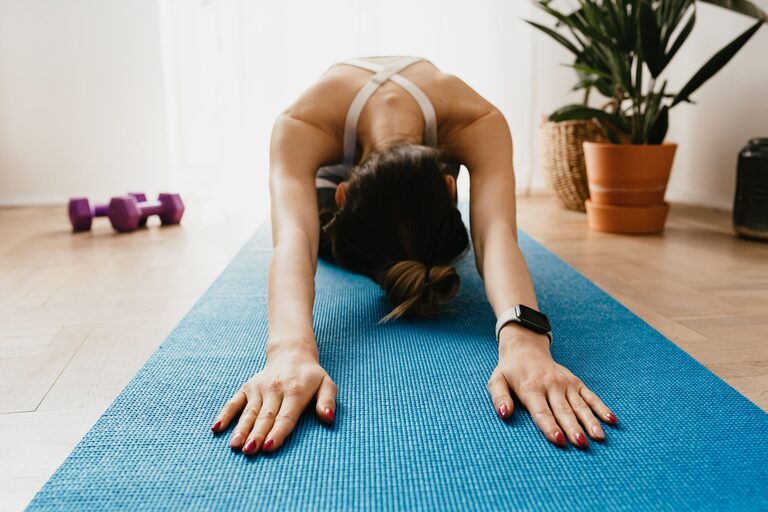
Stretching is a simple way to add more movement to your day. It can help you feel less stiff, move more comfortably, and prepare your body for activities such as walking, gardening, or exercise. The best part is that you do not need a gym or special equipment to begin.
A safe stretching routine should feel gentle and controlled. You do not need to bend as far as possible or hold every position for a long time. With regular practice, your flexibility may gradually improve.
What is stretching?
Stretching involves moving your muscles and joints into positions that gently lengthen the muscles. Some stretches are held still, while others use slow, controlled movement.
The two most common types are:
– Static stretching: Holding a position for a set amount of time.
– Dynamic stretching: Moving smoothly through a comfortable range of motion.
Static stretches are often included in a cool-down or relaxation routine. Dynamic stretches can be useful before activities because they help you move your body without keeping it still for long periods.
Why stretch at home?
A short stretching routine can fit into almost any schedule. You can stretch in the morning, during a work break, after a walk, or before bed.
Possible benefits include:
– Improved flexibility over time
– Easier everyday movement
– Reduced feelings of stiffness
– Better awareness of posture and body position
– A relaxing break from sitting
– Preparation for physical activity
Stretching is not a competition. Everyone starts with a different level of flexibility, and progress may be gradual.
How to prepare for stretching
You can stretch in a small, clear area of your home. A yoga mat is helpful but not essential. A carpeted floor, folded blanket, or firm exercise mat can provide extra comfort.
Before you begin:
- Choose clothing that allows easy movement.
- Clear nearby furniture, toys, and other obstacles.
- Keep water within reach.
- Start when you have a few uninterrupted minutes.
- Use gentle movement to warm up if your body feels cold or stiff.
Walking around your home for several minutes or moving your arms and legs lightly can help you ease into a routine. Avoid forcing a deep stretch when your muscles are not ready to move.
Basic stretching rules for beginners
Good technique matters more than reaching a certain position. Keep these simple guidelines in mind:
Move slowly
Enter and leave each stretch with control. Avoid bouncing, jerking, or making quick movements to reach farther.
Stretch to a gentle pull
You should feel mild tension, not sharp, intense, or uncomfortable pain. If a stretch feels painful, stop and return to a neutral position.
Breathe normally
Try not to hold your breath. Slow, steady breathing can help you stay relaxed and notice how the movement feels.
Keep your body supported
Use a wall, chair, or countertop for balance when needed. Choose a stable surface and avoid using furniture that can slide.
Focus on consistency
A few minutes several times a week is more useful than one very long session followed by several weeks without stretching. Build a routine that feels realistic for your schedule.
A simple full-body routine
The following routine is suitable as a gentle introduction. Hold each static stretch for about 15 to 30 seconds, without forcing the position. Repeat on both sides where appropriate.
1. Neck and shoulder release
Sit or stand tall with your shoulders relaxed. Slowly tilt your right ear towards your right shoulder, keeping your face pointing forward. Return to the centre and repeat on the left.
Next, gently roll your shoulders backwards in a smooth circle. Repeat several times, then change direction.
Keep the movement small and comfortable. Do not pull on your head or make fast neck circles.
2. Chest stretch
Stand near a doorway or place your hands behind your back. If using a doorway, rest your forearms lightly on the frame and step forward until you feel a gentle stretch across your chest.
Keep your shoulders relaxed and your ribs comfortable. Avoid leaning too far forward.
3. Upper back stretch
Clasp your hands in front of you and gently reach them forwards. At the same time, allow your upper back to round slightly while keeping your shoulders relaxed.
This can be done while sitting or standing. Keep your neck in a comfortable position and breathe steadily.
4. Standing side stretch
Stand with your feet about hip-width apart. Raise your right arm overhead and slowly lean to the left. Keep both feet grounded and avoid twisting your body.
Return to the centre, lower your arm, and repeat on the other side. The movement should create a gentle stretch along the side of your body.
5. Calf stretch
Face a wall and place both hands against it. Step your right foot back, keeping the heel down and the toes pointing forward. Bend your front knee slightly and lean towards the wall until you feel a stretch in the right calf.
Keep your back heel connected to the floor. Switch sides after holding the position.
6. Front thigh stretch
Stand beside a wall or sturdy chair for support. Bend your right knee and bring your heel towards your seat. Hold your ankle or the lower part of your trouser leg if comfortable.
Keep your knees close together and your torso upright. Do not pull your foot forcefully. Repeat with the other leg.
7. Seated hamstring stretch
Sit on the floor with one leg extended and the other leg bent comfortably. Keeping your back as long as possible, lean slightly towards the extended leg.
Reach only as far as feels comfortable. You do not need to touch your toes. Switch sides after holding the stretch.
8. Hip stretch
Lie on your back with both knees bent and your feet on the floor. Gently bring your right knee towards your chest, holding behind the thigh if needed. Keep your shoulders relaxed and your left foot supported.
Return the leg to the starting position and repeat on the other side.
Common mistakes to avoid
Beginners often try to make stretching more effective by pushing harder. This can make the routine uncomfortable and may reduce your control.
Avoid these common mistakes:
– Bouncing in a stretch
– Holding your breath
– Comparing your flexibility with someone else’s
– Stretching through sharp or worsening pain
– Rushing through each position
– Ignoring balance and support
– Stretching only once and expecting immediate results
– Copying advanced poses without learning the basics
If you are returning to movement after a long break, begin with fewer stretches and shorter holds. You can add more gradually as the routine becomes familiar.
How to create a regular habit
Consistency is easier when stretching is connected to something you already do. Try stretching:
– After brushing your teeth in the evening
– During a break from desk work
– After a relaxed walk
– While waiting for water to boil
– Before a quiet bedtime routine
Set a reminder if needed, and keep your mat or comfortable clothing somewhere easy to see. Even a five-minute session can be a useful starting point.
Final tips for safe progress
Pay attention to how your body feels during and after each stretch. Comfortable tension is acceptable, but stop if you experience sharp pain, numbness, dizziness, or unusual discomfort. If you have an existing injury or specific movement concern, seek guidance from a qualified health or fitness professional before starting a new routine.
Stretching works best as part of an active lifestyle that also includes regular movement, rest, and activities you enjoy. Start gently, breathe naturally, and give yourself time to improve. Over the weeks and months, a simple home routine can become an easy way to move with greater comfort and confidence.