

Working from home offers flexibility, comfort, and fewer daily commutes. However, it can also make it harder to stay focused. Household tasks, notifications, family members, and an informal work environment can all compete for your attention.
The good news is that better focus does not require a perfect office or a complicated system. A few practical changes to your space, schedule, and daily habits can make it easier to concentrate and complete your work with less stress.
Create a Dedicated Work Area
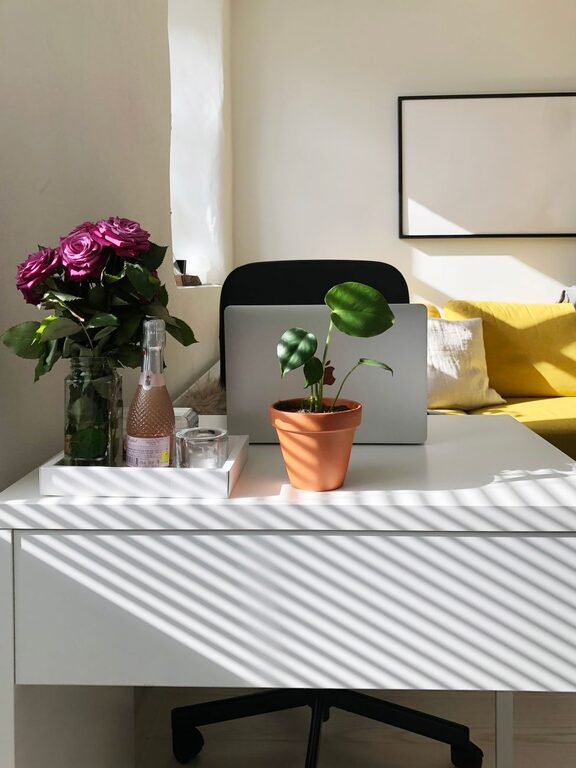
If possible, choose one area of your home for work. This does not need to be a separate office. A corner of a room, a dining table, or a small desk can work well if it is used consistently.
A dedicated work area helps create a clear boundary between work time and personal time. When you sit down in that space, your routine can signal that it is time to focus.
Try to keep your work area:
– Well lit and comfortable
– Free from unnecessary clutter
– Equipped with the items you use most often
– Separate from televisions and other common distractions
– Easy to tidy at the end of the day
Keep only essential items within reach. A crowded workspace can make it harder to decide what deserves your attention.
Make Your Setup Comfortable
Your chair, desk, monitor, keyboard, and mouse should support a comfortable working position. Place your screen at a suitable height and keep frequently used items nearby.
Comfort is important because small physical distractions can interrupt your concentration. If you regularly need to adjust your setup, search for supplies, or move between rooms, your workday may feel more fragmented.
Set Clear Working Hours
A regular schedule can make it easier to begin work and finish on time. Choose working hours that suit your responsibilities, then communicate them to the people you live with and your colleagues.
Your schedule might include:
– A planned start time
– A short morning planning period
– Blocks for focused work
– Time for meetings and messages
– Regular breaks
– A clear finishing time
You do not have to follow the same schedule every day, but consistency helps reduce decision-making. Instead of asking when you should start, stop, or take a break, you can follow a plan that is already in place.
If your role allows flexibility, consider doing demanding tasks during the part of the day when you usually have the most energy.
Plan Your Most Important Tasks
Begin each day by identifying the work that matters most. A long to-do list can feel overwhelming, so focus on a small number of priorities.
A useful daily plan may include:
- One important task that requires concentration
- Two or three smaller tasks
- Meetings or appointments
- Any deadlines that need attention
Try to describe tasks as specific actions. “Work on report” is less clear than “write the introduction and review the figures.” Clear tasks are easier to start and easier to measure.
You can also prepare your next day’s priorities before ending work. This makes it easier to begin the following morning without spending too much time deciding what to do.
Work in Focused Time Blocks
Long, uninterrupted work sessions are not always practical. Instead, divide your day into focused blocks. During each block, choose one task and avoid switching to unrelated activities.
For example, you might work for 45 minutes, then take a five-minute break. You could also use shorter or longer blocks depending on the type of work and your attention span.
During a focused block:
– Close unnecessary browser tabs
– Silence nonessential notifications
– Keep your phone out of reach
– Work on one task at a time
– Write down unrelated ideas for later
The goal is not to avoid every interruption. It is to reduce avoidable interruptions and give your attention a clear direction.
Try the “Next Step” Method
When a task feels difficult to begin, identify the smallest useful next step. This might be opening a document, outlining three points, or gathering the information you need.
Starting with a small action can reduce hesitation. Once you begin, continuing is often easier than expected.
Manage Digital Distractions
Digital tools are useful, but they can also divide your attention. Email, messaging apps, news websites, and social media can quickly turn a short break into a long interruption.
To create a calmer digital environment:
– Turn off alerts that are not urgent
– Check email at set times
– Use website limits during focused work
– Keep work and personal browser tabs separate
– Set your phone to a quiet mode when appropriate
You may also want to close applications that you are not using. Fewer visible options can make it easier to stay with the task in front of you.
Build Breaks Into Your Day
Breaks are part of a productive workday, not a sign that you are losing focus. Short pauses give you a chance to step away, reset your attention, and return with a clearer mind.
Good break activities include:
– Standing and stretching
– Getting a glass of water
– Walking around your home
– Looking outside
– Preparing a snack
– Doing a quick breathing or relaxation exercise
Try to step away from your screen when possible. A break spent scrolling through more information may not provide the same reset as a short change of activity.
Longer breaks can also help divide the day into manageable sections. If your schedule permits, take time for lunch away from your workstation.
Set Boundaries With Others
Working from home can make your availability unclear. Family members, roommates, and friends may assume that being at home means you are free to talk or handle household tasks.
Explain your working hours and let others know when you should not be interrupted. A closed door, a sign, or headphones can act as a simple visual signal.
It is also helpful to agree on expectations in advance. For example, you might decide who will handle deliveries, when conversations can take place, or which tasks can wait until your workday ends.
Boundaries should also apply to work. Let colleagues know when you are available for messages and meetings, especially if your role does not require immediate responses.
Limit Household Distractions
Household chores can seem tempting during a difficult task. While a quick chore may feel productive, frequent interruptions can break your concentration.
Consider choosing specific times for household tasks, such as before work, during lunch, or after your workday. Keep a list of non-urgent chores so you can record them without acting on them immediately.
If noise is a problem, try using headphones, background music without lyrics, or steady ambient sounds. Choose whatever helps you work without becoming another distraction.
Use Simple Tools and Systems
You do not need a large collection of productivity apps. A basic system is often easier to maintain.
You might use:
– A paper notebook for daily priorities
– A calendar for appointments and deadlines
– A timer for focused work blocks
– A task list for follow-up items
– A folder for documents that need attention
The best system is one you will use regularly. Review your tools every few weeks and remove anything that adds complexity without helping you stay organized.
Create an End-of-Day Routine
A clear end-of-day routine helps separate work from home life. Before finishing, review what you completed, note unfinished tasks, and choose your first priority for the next day.
Then take a few minutes to:
– Save and organize important files
– Clear your desk
– Close work applications
– Check tomorrow’s calendar
– Turn off work notifications where possible
This routine gives your workday a definite finish. It can also prevent unfinished tasks from occupying your thoughts throughout the evening.
Find What Works for You
Better focus is usually the result of several small habits rather than one perfect technique. Test one or two changes at a time, such as setting regular hours, turning off alerts, or using focused work blocks.
Notice when you work best, which distractions affect you most, and what helps you recover your attention. Then adjust your routine accordingly.
Working from home becomes easier when your environment and schedule support the way you work. With clear priorities, sensible boundaries, and regular breaks, you can create a more focused and sustainable workday.